7 Essential Burn Treatment Tips for Faster, Safer Healing
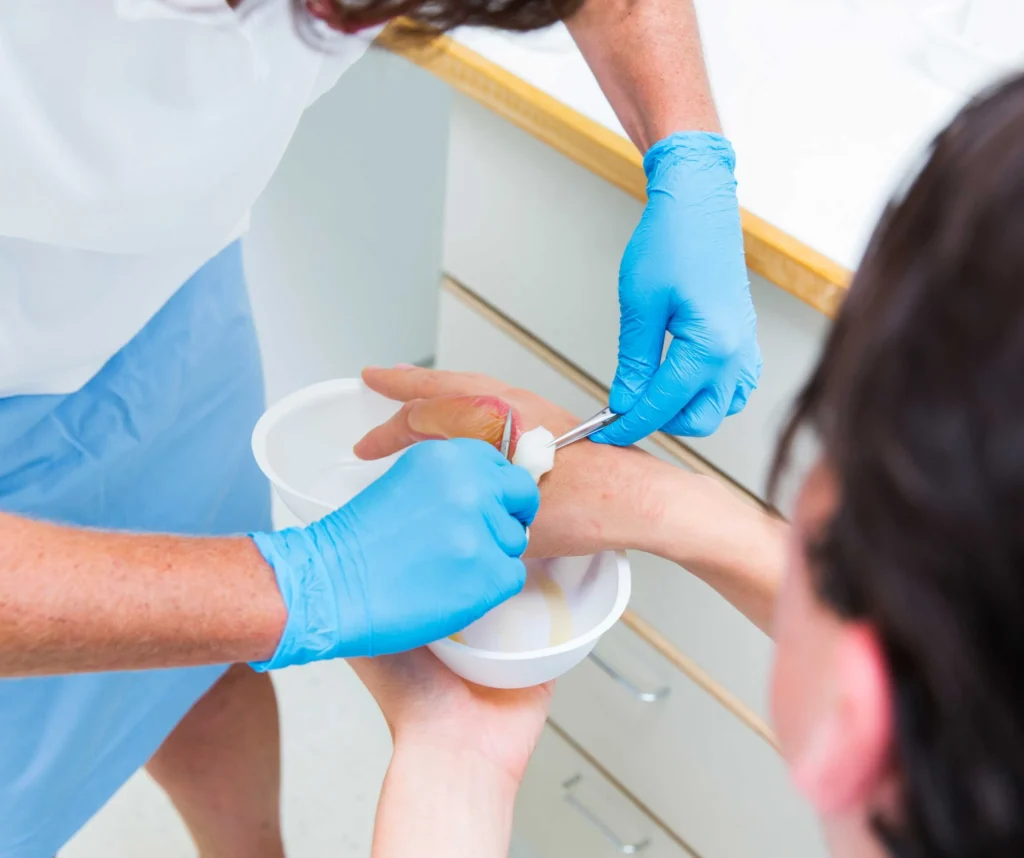
Burn injuries can happen at home, at work, or during everyday activities. Hot water, steam, fire, chemicals, and electrical accidents are common causes of burns. Knowing how to respond quickly can help reduce skin damage, relieve pain, and prevent complications. Proper burn treatment depends on the severity of the injury and knowing when professional medical care is necessary.
What Is a Burn Injury?
A burn is damage to the skin or underlying tissue caused by heat, chemicals, electricity, or radiation. Depending on its severity, it may cause redness, swelling, blisters, pain, or deep tissue damage.
Common causes of burns include:
Hot water, steam, and cooking oil
Fire and flames
Hot surfaces and appliances
Chemical exposure
Electrical accidents
Types of Burns
Burns are classified according to the depth of skin damage.
First-degree burns: Affect the outer skin layer, causing redness, mild swelling, and pain.
Second-degree burns: Damage deeper skin layers and may cause blisters, swelling, and intense pain.
Third-degree burns: Cause severe tissue damage and may make the skin appear white, brown, or charred. These burns require urgent medical attention.
How to Treat a Burn Immediately
Taking the right steps after a burn can help protect the skin and reduce further damage.
Cool the burned area under cool running water for 20 minutes.
Remove jewelry or tight clothing near the affected area before swelling starts.
Cover the burn loosely with a clean, non-stick dressing.
Avoid ice, toothpaste, butter, or other home remedies.
Never pop blisters or remove skin stuck to the wound.
When Should You Visit the Emergency Room?
Some burns require immediate medical evaluation to prevent serious complications. Seek emergency care if the burn:
Is deep, large, or severely painful.
Affects the face, hands, feet, or major joints.
Causes white, black, or charred skin.
Results from chemical or electrical exposure.
Is associated with breathing difficulties or smoke inhalation.
How Can Burns Be Prevented?
Simple safety precautions can reduce the risk of burn injuries.
Keep hot liquids away from children.
Use protective gloves when handling hot objects.
Check water temperature before bathing.
Store chemicals safely.
Keep hot appliances away from children.
Frequently Asked Questions
1. How long does a minor burn take to heal?
Minor burns may heal within one to two weeks, depending on their depth and care.
2. Should I put ice on a burn?
No. Cool running water is recommended because ice can cause additional skin damage.
3. Can burn blisters be popped?
No. Blisters help protect the injured skin and should not be popped.
4. When is a burn considered serious?
Deep, large, chemical, electrical, or facial burns require prompt medical attention.
5. Can burns become infected?
Yes. Burned skin is vulnerable to infection. Increasing redness, pus, fever, or worsening pain should be checked by a healthcare professional.
Conclusion
Burn injuries can range from minor skin irritation to serious medical emergencies. Immediate first aid, proper wound care, and timely medical attention are important for reducing complications and supporting recovery. Avoid home remedies that may worsen the injury, and never ignore signs of a severe burn. Taking the right precautions and seeking professional care when needed can help protect your skin and overall health.
For More Blogs Visit
https://eroffortworthtx.com/blog/7-signs-your-liver-is-dying/


Comments
Post a Comment