Imaging Services: A Simple Guide
Introduction
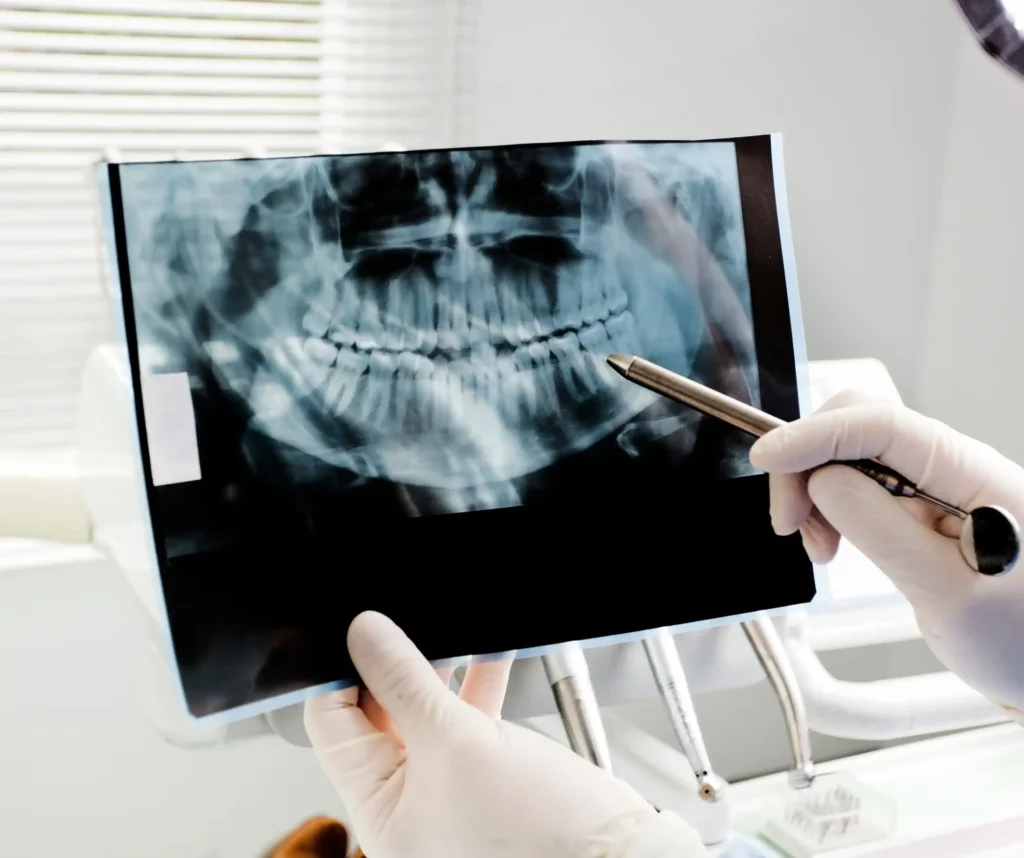
When a person has an injury or unexplained symptoms, a healthcare provider may need more information before deciding on treatment. imaging services can help doctors look inside the body and better understand what may be causing a problem. These services use different types of technology to create images of bones, organs, tissues, and other parts of the body.
Imaging can be useful for many situations, including injuries, pain, illness, and emergency conditions. Having access to diagnostic imaging can also help healthcare providers make decisions more efficiently when a patient needs prompt evaluation.
What Are Imaging Services?
Imaging services are medical tests that create pictures of structures inside the body. Healthcare professionals use these images to identify injuries, abnormalities, or other possible causes of symptoms.
Depending on the patient's condition, a healthcare provider may recommend different types of imaging.
Common imaging methods include:
- X-rays
- CT scans
- Ultrasound
- MRI scans
- Other specialized diagnostic imaging tests
Each method works differently and provides different types of information.
Why Are Imaging Services Important?
Some medical problems cannot be fully understood through a physical examination alone. Imaging gives healthcare providers another way to examine an area of concern.
Imaging may help with:
- Identifying broken or fractured bones
- Evaluating injuries
- Looking for internal problems
- Checking certain organs and tissues
- Investigating unexplained pain
- Supporting emergency diagnosis
- Monitoring certain medical conditions
The type of imaging used depends on the symptoms, suspected condition, and medical history of the patient.
Common Types of Medical Imaging
X-Ray
X-rays are commonly used to examine bones and certain areas of the body. They can help identify fractures and other abnormalities.
X-rays are often useful after injuries because they can provide images quickly.
CT Scan
A CT scan combines multiple X-ray images to create detailed cross-sectional images of the body. It can provide more information than a standard X-ray in certain situations.
CT scans may be used to evaluate injuries, internal bleeding, abdominal problems, and other medical concerns.
Ultrasound
Ultrasound uses sound waves to create images of structures inside the body. Unlike X-rays and CT scans, ultrasound does not use ionizing radiation.
Healthcare providers may use ultrasound to examine soft tissues, blood flow, and certain organs.
MRI
MRI uses a strong magnetic field and radio waves to create detailed images of the body's soft tissues.
It may be used to examine areas such as the brain, joints, muscles, and spine. MRI is different from CT because it does not use X-rays.
When Might a Patient Need Imaging?
A healthcare provider may recommend imaging when symptoms or an injury require a closer look.
Some common situations include:
- A suspected broken bone
- A serious fall or accident
- Persistent or unexplained pain
- Head injuries
- Certain abdominal symptoms
- Joint or muscle injuries
- Possible internal injuries
- Other symptoms that require further evaluation
Not every medical problem requires imaging. A healthcare provider decides whether a test is appropriate based on the patient's symptoms and medical history.
Imaging Services in Emergency Care
Imaging can be especially important in emergency medicine. When someone arrives with a serious injury or sudden symptoms, healthcare providers may need diagnostic information quickly.
For example, after a significant accident, an X-ray or CT scan may help evaluate possible injuries. The appropriate test depends on the patient's condition.
ER Of Fort Worth provides diagnostic imaging as part of its emergency services. The facility lists X-ray, CT scan, and ultrasound among its available diagnostic services.
Having diagnostic testing available in an emergency setting can help healthcare professionals evaluate patients as part of their overall treatment.
What Should You Expect During an Imaging Test?
The experience depends on the type of imaging being performed.
Generally, the process may involve:
- Medical evaluation: A healthcare professional reviews your symptoms and medical history.
- Test selection: The appropriate imaging method is chosen based on the medical concern.
- Preparation: Some tests may require specific preparation.
- Imaging: You will be positioned so the equipment can capture the necessary images.
- Review: A qualified healthcare professional reviews the results and uses them along with other clinical information.
Patients should follow any preparation instructions provided by their healthcare team.
Are Imaging Tests Safe?
The safety of imaging depends on the type of test and the individual patient.
X-rays and CT scans use ionizing radiation, while ultrasound and MRI do not use ionizing radiation. Medical professionals consider the benefits and potential risks before recommending a particular test.
Patients should tell their healthcare provider about relevant medical information, including pregnancy or possible pregnancy, implanted medical devices, allergies, and other conditions when appropriate.
Benefits of On-Site Imaging
When diagnostic imaging is available at an emergency facility, patients may be able to receive evaluation and testing in the same location.
Potential benefits include:
- Convenient access to diagnostic testing
- Less need to travel to another facility
- Faster coordination between evaluation and testing
- Support for emergency diagnosis
- A more convenient experience for patients
The availability of specific tests can vary between healthcare facilities.
How to Prepare for Imaging
Preparation depends on the type of imaging test.
Before an appointment or emergency evaluation, patients may want to:
- Follow the facility's instructions
- Bring relevant medical information
- Tell staff about medications and allergies
- Mention pregnancy or possible pregnancy
- Inform staff about implanted medical devices when relevant
- Ask questions if they do not understand the procedure
For emergency patients, treatment should not be delayed simply because they do not have all their medical information available.
Choosing the Right Imaging Service
Patients should not choose an imaging test based only on convenience. The right test depends on the medical problem.
A healthcare provider considers factors such as:
- Symptoms
- Location of the problem
- Type of suspected injury or condition
- Medical history
- Age
- Previous imaging
- Urgency of the situation
This helps determine which imaging method may provide useful information.
Final Thoughts
Medical imaging can provide valuable information when a physical examination alone does not answer important questions. From X-rays for suspected fractures to CT scans and ultrasound for other medical concerns, different imaging methods serve different purposes.
For emergency situations, having diagnostic imaging available can support timely evaluation and treatment. ER Of Fort Worth offers diagnostic imaging options including X-ray, CT, and ultrasound as part of its emergency medical services.
If you have symptoms or an injury that may require imaging, speak with a qualified healthcare professional about which test is appropriate for your situation.
FAQs
What are imaging services?
Imaging services are medical tests that create pictures of structures inside the body to help healthcare professionals evaluate injuries, symptoms, and medical conditions.
What is the most common type of medical imaging?
X-rays are among the most commonly used imaging tests, particularly for evaluating bones and certain injuries.
Does an MRI use radiation?
No. MRI uses magnetic fields and radio waves rather than ionizing radiation.
When is a CT scan used?
CT scans can provide detailed images of the body and may be used to evaluate injuries, internal problems, and various medical conditions.
Does ER Of Fort Worth offer imaging services?
Yes. ER Of Fort Worth lists X-ray, CT scan, and ultrasound among its diagnostic services.
Do all patients need medical imaging?
No. Imaging is not necessary for every medical problem. A healthcare professional determines whether imaging is appropriate based on the patient's symptoms and condition.
For More Blogs Visit
https://eprofile.ogapatapata.com/blogs/185648/Pediatric-Care-Simple-Guide-for-Parents

Comments
Post a Comment